
Madikwe Hills Bush Bulletin | April 2026
From lions putting on an entertaining display of courtship to young elephants taking their first steps toward independence, this Bush Bulletin celebrates the behaviours, milestones, and unforgettable moments that make every safari unique.
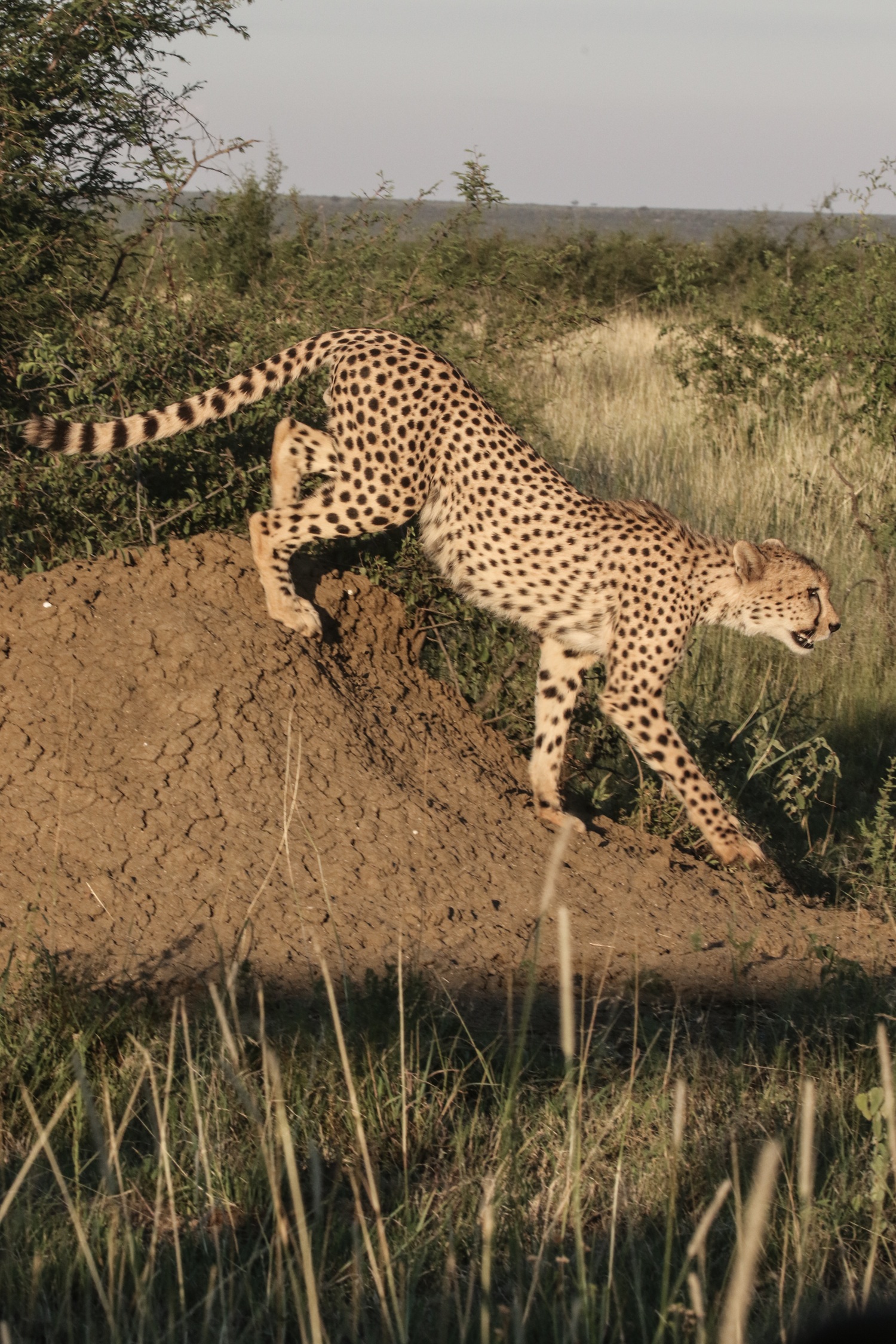
Love Is in the Air: When Lions Court
One of the more amusing sights on safari is a pair of lions in the middle of a mating cycle. To an unsuspecting observer, it may look as though the male lion has suddenly forgotten how to spend time by himself.
For several days, the male follows the lioness everywhere. And I mean everywhere. If she gets up, he gets up. If she walks 20 metres, he walks 20 metres. If she lies down under a bush, he lies down under the same bush. Personal space is simply not part of the programme.
The lioness, meanwhile, often appears less than impressed. She growls at him, swats him, and occasionally gives him a look that many of us have probably seen from our mothers at some point in our lives. Yet despite her apparent irritation, the pair remain inseparable.
This behaviour is all part of the mating process and can continue for several days. While it may not be as action-packed as a hunt, it offers a fascinating glimpse into lion behaviour—and often provides plenty of entertainment for guests.
After spending an afternoon watching a mating pair, it’s hard not to feel a little sympathy for the male. His dedication is admirable, but judging by the lioness’s expression, he may be testing her patience just as much as her affection!
Growing Up Hippo
A young hippo may appear small beside its enormous mother, but growth happens remarkably quickly. By four months of age, a calf is already becoming more confident and independent, although it still relies heavily on its mother.
Hippo calves are born in water and possess a remarkable ability to nurse both above and below the surface. During the first months of life, they stay close to their mothers, who provide protection from predators and other hippos.
As calves grow, they begin exploring their surroundings and learning important social behaviours. Despite their playful nature, mothers remain extremely protective and can become aggressive if they perceive a threat.
The bond between mother and calf is strong, often lasting several years. Watching a young hippo learning to navigate its watery world offers a wonderful insight into one of Africa’s most iconic species.
When Young Elephant Bulls Leave Home
Elephant herds are led by experienced females known as matriarchs and typically consist of related cows and their offspring. Young males grow up within these family groups but eventually begin a different journey.
Between the ages of approximately 12 and 15 years, young bulls gradually spend less time with the herd before eventually leaving. This transition allows them to avoid breeding with close relatives and begin developing independence.
After leaving, many bulls form loose bachelor groups with other males. These associations provide opportunities to learn social skills, establish rankings, and gain experience from older individuals.
As bulls mature, they become increasingly solitary, although they continue to interact with other elephants throughout their lives. Observing a young bull on the edge of independence is a reminder that even the largest animals face important milestones while growing up
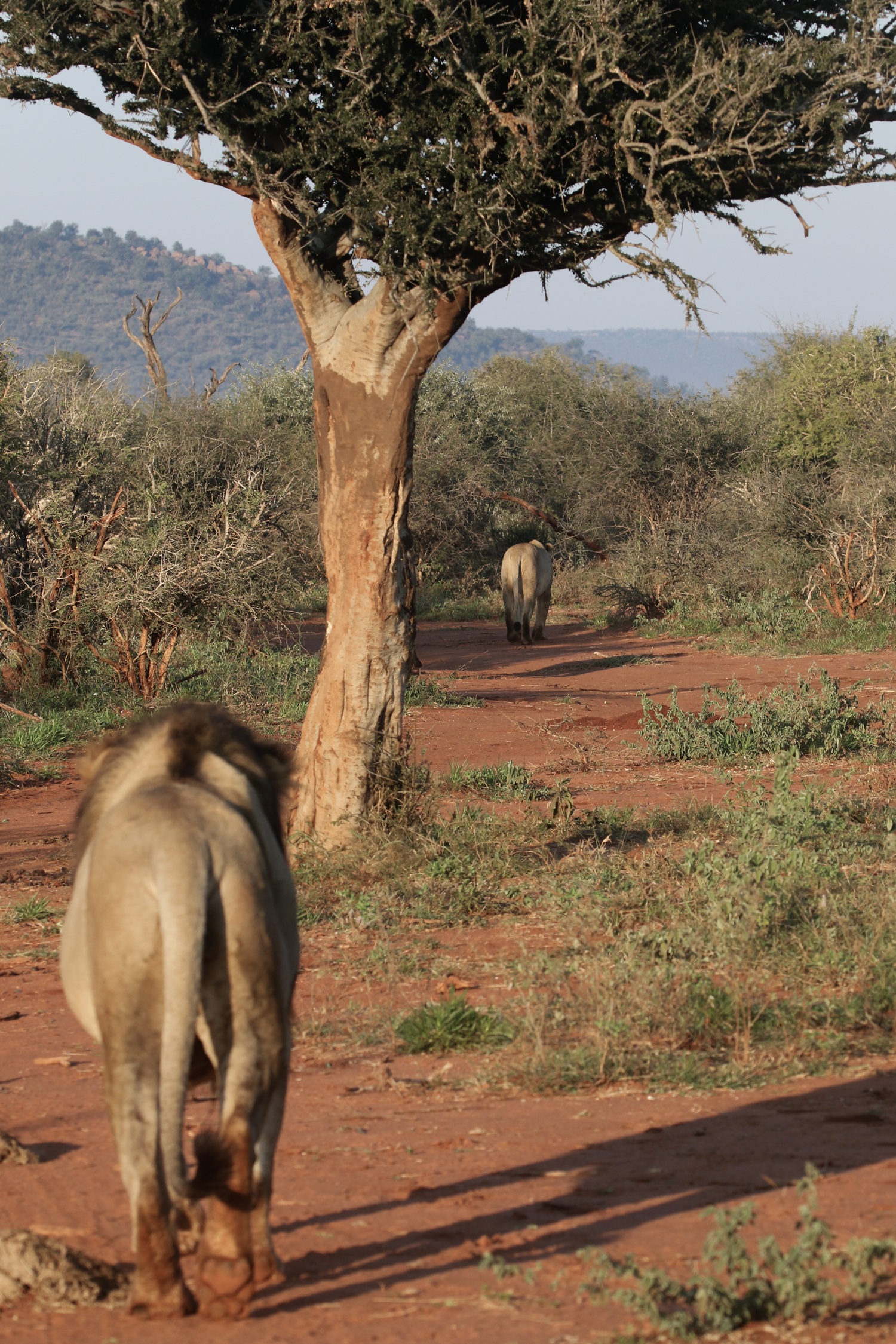
Capturing the Perfect Sunset
Sunset is one of the most magical times in the African bush. Warm colours, long shadows, and golden light create opportunities for truly memorable photographs.
When photographing wildlife at sunset, consider using the light creatively rather than focusing solely on detail. Silhouettes can produce dramatic images, especially when photographing animals such as zebras against a colourful sky.
Dust, haze, and smoke in the atmosphere often enhance sunset colours by scattering sunlight. These conditions can create beautiful layers and soften harsh contrasts, adding depth to photographs.
Positioning the subject slightly away from the centre of the frame often creates a more balanced composition. Patience is equally important; some of the best colours appear after the sun has disappeared below the horizon.
A successful sunset photograph is not just about the animal—it is about capturing the mood and atmosphere of the moment.
The View from the Top
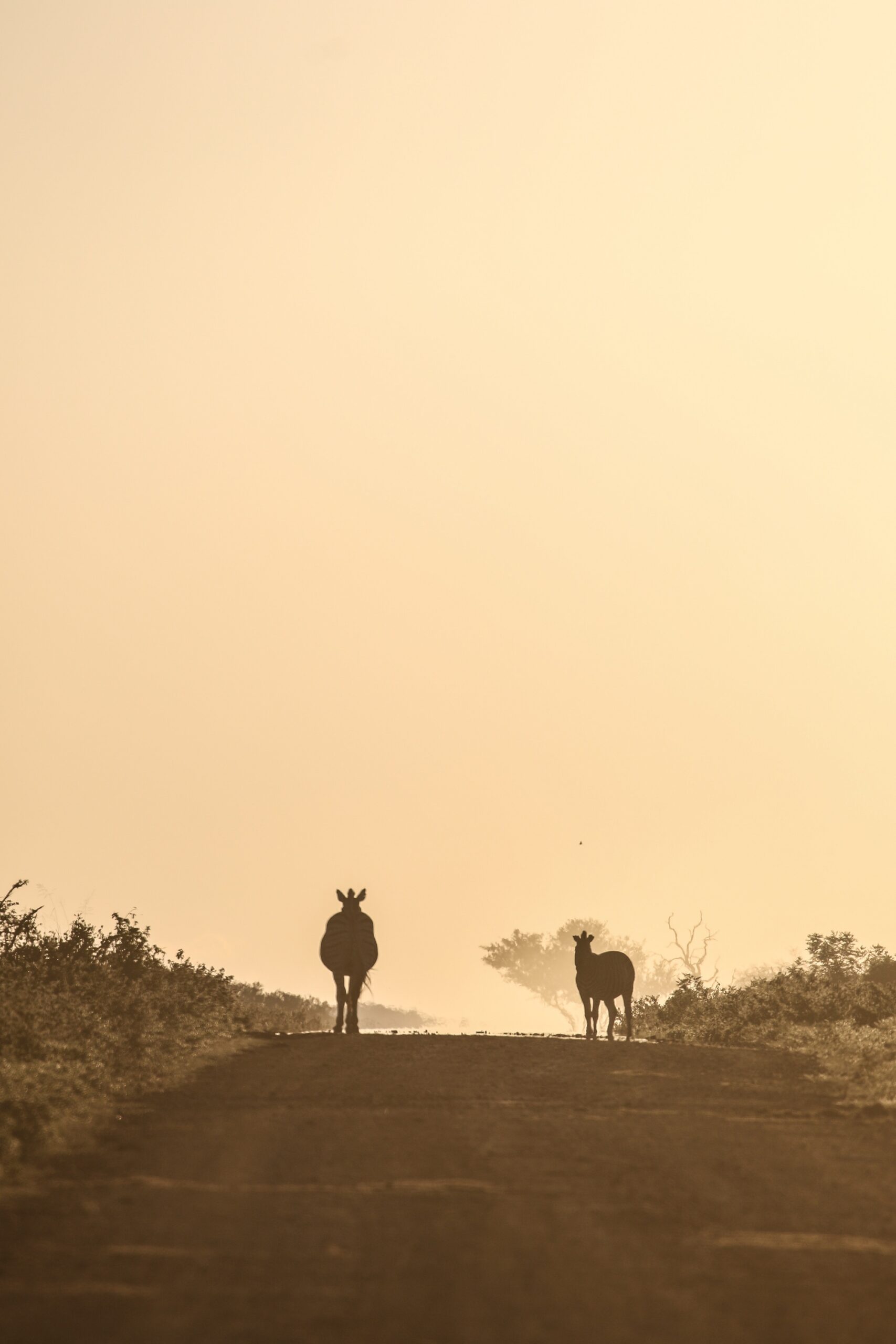
If you’ve spent time on safari, you’ve probably noticed that cheetahs have a habit of climbing termite mounds. While they may not have the tree-climbing reputation of leopards, cheetahs are often found perched on the highest point available, carefully scanning the surrounding landscape.
Unlike lions and leopards, cheetahs rely heavily on their eyesight to locate prey. Standing atop a termite mound gives them a valuable advantage, allowing them to spot potential meals—and potential threats—from much further away. In the open grasslands, even a metre or two of extra height can make a significant difference.
Termite mounds also offer a convenient place to rest while keeping an eye on the world around them. From these natural lookout towers, a cheetah can monitor herds of impala, keep track of competitors such as lions and hyenas, and plan her next move.
For guides, spotting a cheetah on a termite mound often makes for a memorable sighting. There is something iconic about seeing Africa’s fastest predator silhouetted against the horizon, calmly surveying the bushveld. While guests may be hoping to witness a high-speed chase, there is a quiet beauty in these moments too—a reminder that every successful hunt begins long before the first sprint.